No-Start Diagnostics in Taylor, TX
Car won’t start in Taylor? Before you pay for a tow, let us test it where it sits. Most no-starts come down to a battery, a starter, an alternator, or a connection, and all of those are fixable in your driveway. Call (737) 367-0375.
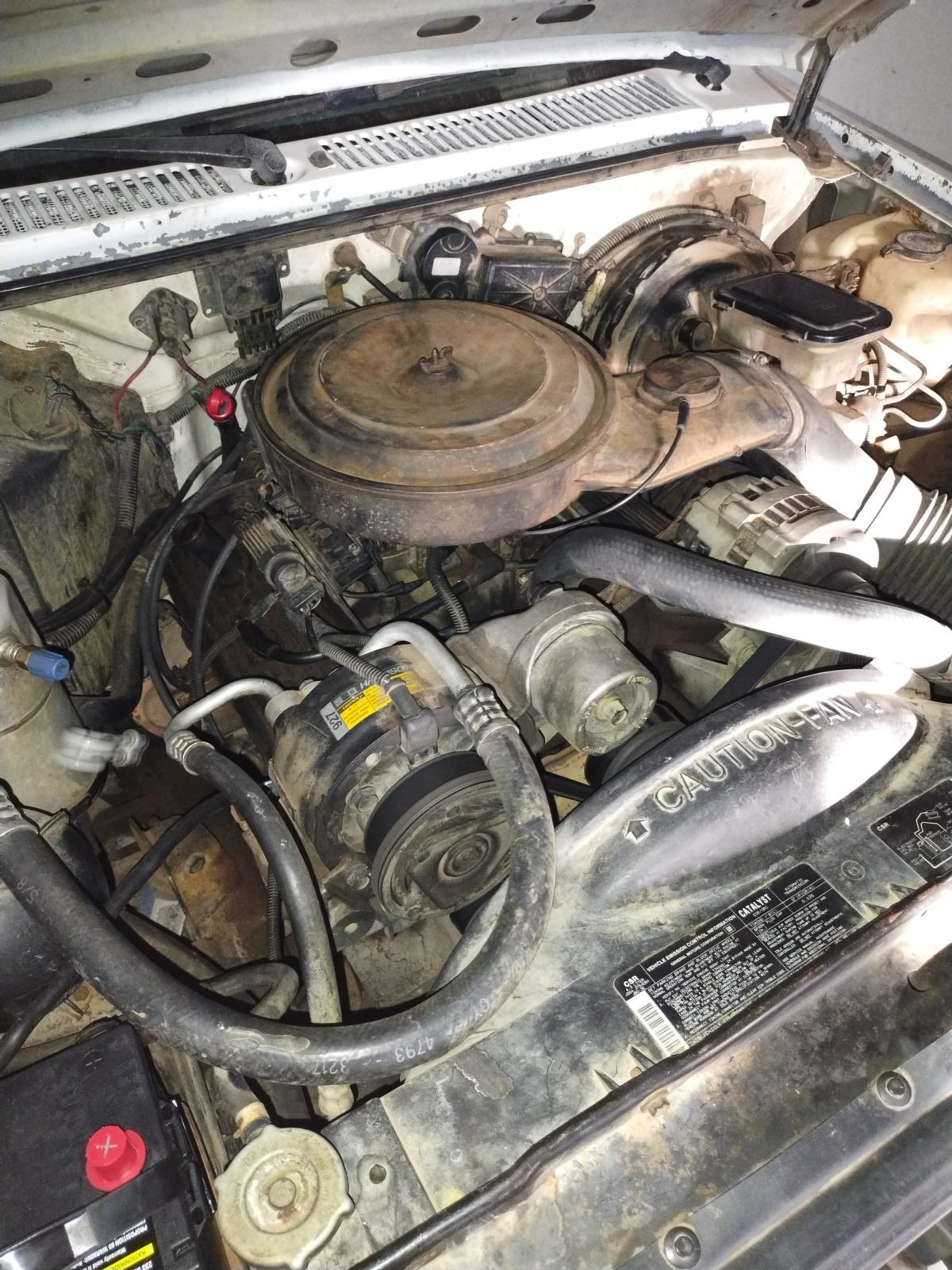
Don’t Pay for a Tow Until Someone Tests It
This is the call where distance matters most. A tow from Taylor into the metro is a long, pricey haul for a car that, more often than not, needs a battery or a starter. Having someone test it where it sits before you commit to that tow is just better math.
A no-start is a symptom, not a diagnosis. The useful question is which part of the starting and charging system failed, and that takes ten minutes with the right equipment. We do that at your location before anybody books a tow truck.
Car won't start in Taylor right now? Call (737) 367-0375. Call before you call a tow. We test it where it is parked and most of the time get you running.
What Actually Causes a No-Start
In rough order of how often we find them:
- A dead or failing battery
- Corroded or loose battery terminals
- A failed starter motor or solenoid
- An alternator that has not been charging the battery
- A parasitic drain pulling the battery down overnight
- Ignition switch or neutral-safety switch faults
- Fuel delivery problems
- Blown fuses or damaged wiring
- Security or immobilizer faults
Why Distance Makes This Call Obvious
Taylor is where the arithmetic on a no-start stops being close. Towing a dead car 30 miles into the metro is a serious bill, and the most common causes of a no-start are a battery, a starter, an alternator, or a connection. Paying for a long tow to find out it was a battery terminal is a hard thing to recover from.
So the sequence we would suggest is: call, describe exactly what the car does when you turn the key, and let us tell you what it probably is before anyone books a tow truck. If it does turn out to need a shop, at least that decision is an informed one.
Crank, Click, or Nothing At All
What the car does when you turn the key narrows it down a lot, and it helps to tell us on the phone:
- Cranks slowly, then dies. Usually battery or charging.
- One loud click, no crank. Often the starter or solenoid.
- Rapid clicking. Typically not enough current, so battery or connections.
- Cranks fine but will not fire. Points toward fuel, spark, or sensors.
- Completely dead, no lights. Battery, terminals, or a main fuse.
How It Works
- Call and describe the symptom. Cranking, clicking, or dead tells us a lot before we leave.
- We come to the car. Taylor, typically 45-60 minutes.
- Test the whole starting system. Battery under load, starter draw, charging output, and connections.
- Repair or advise. Most are fixed on-site. If it needs a shop, we tell you before you spend money on a tow.
What We Fix On-Site, and Where We Hand Off
Starting and charging faults are the core of what we do, and the large majority of them are finished where your vehicle is parked: batteries and terminals, jump starts, starters, solenoids, alternators, belts, grounds, and the connections in between.
Some no-starts turn out to be something else. If the testing points to damaged wiring, a harness problem, or a failed computer or control module, that is shop work. It needs a lift, a bench, and time that nobody should be spending in your driveway. We tell you that plainly instead of pulling the vehicle apart and hoping.
If we refer you out, you do not pay for a repair. You pay our travel fee for the trip and nothing more, and you keep the diagnosis. That is worth having when you get to the shop, because they are not starting from nothing.
We would rather give up the job than charge you for guesswork on something we are not the right people to fix.
No-Start Diagnostics in Taylor, TX FAQs
My car won’t start in Taylor. Can you come today?
Often, yes. We run calls 9 AM to 9 PM daily. Call and we will tell you honestly whether we can reach you today rather than booking you and leaving you waiting.
Will this save me a tow?
Frequently. Most no-starts are a battery, starter, alternator, or connection problem, and all of those are repairable where the car is parked.
Is it worth paying for a mobile mechanic this far out?
For a no-start, yes, because the alternative is a 30-mile tow. There is no distance surcharge from us, so you are comparing our hourly rate against a long tow plus a shop diagnostic.
What should I tell you on the phone?
Exactly what happens when you turn the key: slow cranking, a single click, rapid clicking, cranking but not firing, or nothing at all. Each one points somewhere different and it helps us arrive with the right parts.
How do I know if it’s the battery or the starter?
Slow, labored cranking usually points at the battery or charging system. A single loud click with no cranking usually points at the starter. We test both so you are not replacing the wrong part.
What if it turns out to need a shop?
Then we say so and you have a diagnosis to take with you, which is worth more than a tow to a shop that has to start from scratch.
How long does the diagnosis take?
Testing the starting and charging system is usually well under an hour on-site. Simple repairs are often done in the same visit.
How fast can you reach Taylor?
Typically 45-60 minutes depending on traffic and where we are on the schedule.
What if it turns out to be wiring or a computer module?
Then it is shop work and we say so. We point you to a shop we trust, you pay our travel fee for the trip rather than a repair bill, and you keep the diagnosis to hand over when you get there.
Do I still pay if you cannot fix it on-site?
You pay our travel fee for the visit, not a repair bill. Testing the vehicle and telling you honestly what it needs is the job we came to do, and it saves you paying a shop to work it out from scratch.